

A Big Advance Measuring Military Vocational Aptitude and Cognitive Resilience comes from “Brain Games”
SAN FRANCISCO, July 06, 2026 (GLOBE NEWSWIRE) -- A US-government-funded study has found that a new type of highly-scalable, computerized cognitive testing effectively measures military vocational aptitude and cognitive resilience – with more flexibility and precision (and at a fraction of the time and expense) of more traditional military screening. The new assessment tool was created by Posit Science Corporation, which makes the popular BrainHQ brain training app (as well as specialized assessments of brain performance and health) based on advances in neurobiology and neuroplasticity.
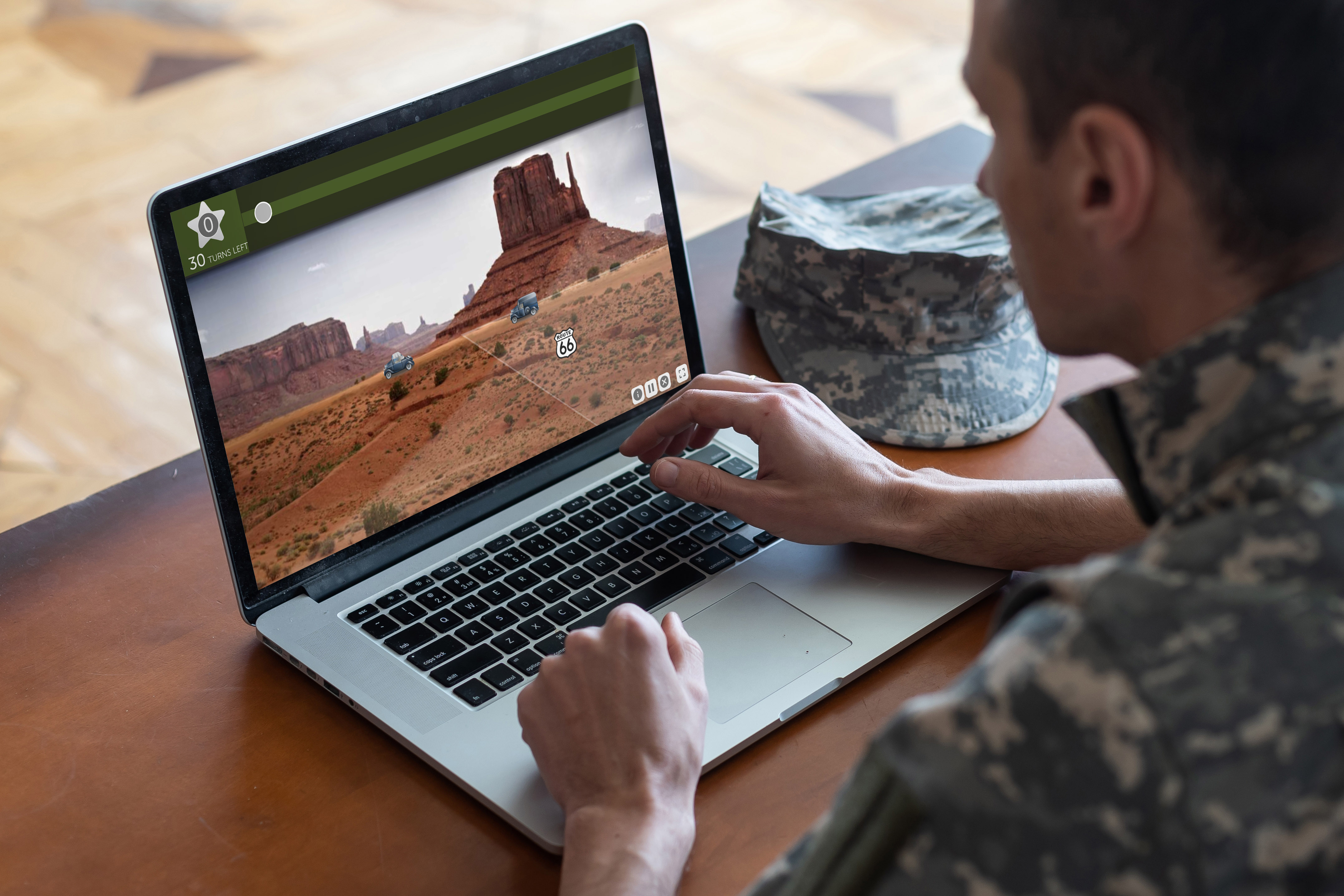
Study finds quick assessment predicts military vocational aptitude & cognitive resilience
The study of 267 soldiers, published in the journal JMIR Formative Research, was led by academic researchers at the University of Minnesota and supported by resources from the Minneapolis Veteran Affairs Health Care System and Minnesota Army National Guard. It was funded by the Office of Naval Research and the National Institutes of Health.
The study found that a 20-minute self-administered computerized brain health assessment from BrainHQ strongly predicts performance on the Armed Forces Qualification Test (AFQT). The AFQT is derived from the Armed Services Vocational Aptitude Battery (ASVAB), the primary measure used by the U.S. Department of Defense to evaluate enlistment eligibility and career aptitude across all branches of the Armed Forces. The ASVAB is administered in person and can take 1.5-3 hours to complete.
The BrainHQ assessment battery was designed to capture the same kind of psychological and cognitive abilities as the AFQT, but to do so by more precisely measuring actual brain performance metrics (related to speed, accuracy, planning, reasoning, and decision-making) to strongly predict performance and resilience results.
“This is the first evidence that evaluating the brain's ability to process information, such as the speed and accuracy with which it sees and hears, can meaningfully predict military eligibility and cognitive resilience,” observed Dr. Mouna Attarha, who coordinated the test battery design for BrainHQ. “The most relevant finding to military stakeholders is that this assessment is highly predictive of who will meet or exceed cognitive aptitude bands for military occupational specialties.”
Like the exercises found in BrainHQ brain training, each assessment is game-like in structure and appearance, and each progressively challenges the user to “zero-in” on the user’s true limit of performance — across different neuroscience measures of brain health. In addition, each assessment is also tied to a neuroplasticity-based exercise, which, much like weightlifting, can progressively push a user to rewire the brain and improve performance over time.
“This self-administered test battery has the anticipated advantages as a screening tool and in recruitment, but there are also larger implications,” said Dr. Henry Machnke, CEO of Posit Science. “It also can serve as a scalable and cost-effective way to measure readiness and resilience across large, geographically dispersed forces. The short (3 minute) sub-tests can monitor ongoing resilience and can be combined with equally short daily training to truly optimize cognitive and physical recovery, readiness, and resilience.”
BrainHQ exercises have shown benefits in more than 300 studies. Such benefits include gains in cognition (attention, speed, memory, decision-making), in quality of life (depressive symptoms, confidence and control, health-related quality of life) and in real-world activities (health outcomes, balance, driving, workplace activities). BrainHQ is used by leading health plans, medical centers, clinics, and communities, and by elite athletes, the military, law enforcement, and other organizations focused on peak performance. Consumers can try a BrainHQ exercise for free daily at https://www.brainhq.com.
Research reported in this publication was supported by the Office of Naval Research under contract number N00014-21-1-2463 and by the National Center for Complementary and Integrative Health of the National Institutes of Health under UH3AT009651. This work was also supported by the resources and the use of facilities at the Minneapolis Veteran Affairs Health Care System, Minneapolis, Minnesota. The views expressed in this material are those of the authors and may not reflect the official policy or position of the U.S. Government, the Office of Naval Research, or the National Guard.
A photo accompanying this announcement is available at https://www.globenewswire.com/NewsRoom/AttachmentNg/5aca9492-3318-444e-9cb6-19da72431f06

Contact: media@brainhq.com

Military Use of BrainHQ Assessment

Government-funded study finds quick BrainHQ online assessment predicts military vocational aptitude and cognitive resilience
Legal Disclaimer:
EIN Presswire provides this news content "as is" without warranty of any kind. We do not accept any responsibility or liability for the accuracy, content, images, videos, licenses, completeness, legality, or reliability of the information contained in this article. If you have any complaints or copyright issues related to this article, kindly contact the author above.
